
Updating Your Workplace Substance Policy for 2026 Legal Requirements
Catherine Lambert • December 11, 2025
Updating Your Workplace Substance Policy for 2026 Legal Requirements

Many workplace substance policies become outdated during the first quarter of each year. Not through oversight, but because legislation evolves while documentation often remains unchanged.


Research suggests that a significant proportion of businesses operate with substance policies containing outdated legal references as the year progresses. This creates a widening gap between current requirements and actual documentation.


Your 2026 substance policy deserves attention now – before the new year introduces new standards.


The Hidden Costs of Outdated Policies


Working within high-risk sectors throughout the UK, we've observed three consistent patterns when substance policies lag behind evolving standards:


1. Enforcement becomes increasingly challenging


When testing results face challenges, outdated policy language creates potential vulnerabilities. Recent employment tribunal cases highlight how documentation referencing superseded testing thresholds can undermine otherwise valid enforcement actions.


Legal experts consistently note that procedural fairness depends heavily on current documentation – regardless of whether substance use actually occurred.


2. Insurance considerations become more complex


Commercial liability specialists point out that most policies contain compliance clauses requiring up-to-date safety documentation. When claims involve substance-related incidents, documentation undergoes particularly intense scrutiny.


Industry publications have highlighted multiple cases where outdated substance policy language complicated claims processing, creating potential coverage questions at precisely the worst moment.


3. Management confidence affects implementation


Safety management research shows that supervisors hesitate to implement procedures they perceive as potentially outdated. When documentation contains ambiguous or outdated language, this creates natural reluctance precisely when decisive action matters most.


This hesitation gap – the period between observation and action – consistently appears as a contributing factor in preventable workplace incidents.


Current Best Practices for Workplace Substance Policies


Industry publications and legal guidance highlight several critical areas that robust workplace substance policies should address:


Testing procedures and transparency


Professional workplace substance policies clearly outline when and how testing may occur. This includes specifying testing methods, the range substances being screened for, and the threshold levels used for detection.


According to the Information Commissioner's Office (ICO), employers must "tell workers what they are being tested for, the frequency of testing, and the consequences of the results" as part of transparency obligations.


Medical review protocols


Comprehensive policies should address how test results are evaluated, particularly when prescription medications might affect outcomes. This includes:


  • Qualifications for reviewing professionals
  • Consultation processes for employees
  • Procedures for positive results


Documentation standards


Effective policies establish clear documentation requirements, particularly for reasonable suspicion testing. This typically includes:


  • Structured observation records
  • Verification procedures before testing
  • Specific timeframe requirements


These documentation standards help ensure testing decisions are based on objective observations rather than subjective impressions.


Remote worker considerations


With changing work patterns, contemporary policies may now address testing protocols for employees working remotely or in non-traditional settings. This includes:


  • Testing notification procedures
  • Location-appropriate testing methods
  • Privacy considerations for off-site workers


This represents evolving territory for workplace substance policies that previously focused primarily on on-site operations.


Medication disclosure processes


Current best practices include clear procedures for employees to confidentially disclose medications that might affect testing results. Effective policies typically include:


  • Straightforward disclosure procedures
  • Appropriate reporting protocols
  • Current reasonable accommodation language


Employment specialists note this area continues evolving as medical treatments and workplace testing intersect, particularly regarding prescribed medications that might affect impairment or test results.


Implementation Timeline for Policy Updates


Safety compliance experts suggest a structured approach to policy updates:


December 2025: Policy review and gap analysis


  • Evaluate current documentation against emerging requirements
  • Identify potential compliance considerations
  • Develop update framework


Early January 2026: Policy revision


  • Update language incorporating current standards
  • Ensure appropriate legal review
  • Finalise documentation


Mid-January 2026: Communication and training


  • Distribute updated policies throughout the organisation
  • Conduct management briefings on key changes
  • Document distribution and training completion


February 2026: Implementation


  • Begin operating under current standards
  • Monitor effectiveness
  • Schedule periodic reviews to address evolving guidance


The Value of Specialist Knowledge


Workplace safety publications consistently highlight that substance policy updates require specialised understanding of both legal requirements and practical implementation.


Industry case studies suggest organisations achieve better outcomes when combining technical knowledge with practical workplace experience, ensuring documentation functions effectively in real situations, not just theoretically.


Taking Action: Forward-Looking Approach


Safety management best practices suggest proactive policy review prevents potential complications before they emerge. Many organisations benefit from external perspective on documentation they've grown accustomed to seeing.


For a confidential discussion about your substance policy before 2026, contact our team at 01964 503773. We can provide insights based on extensive experience working across multiple high-risk sectors.


Because effective workplace substance policies should provide clarity and protection as regulations continue to evolve.

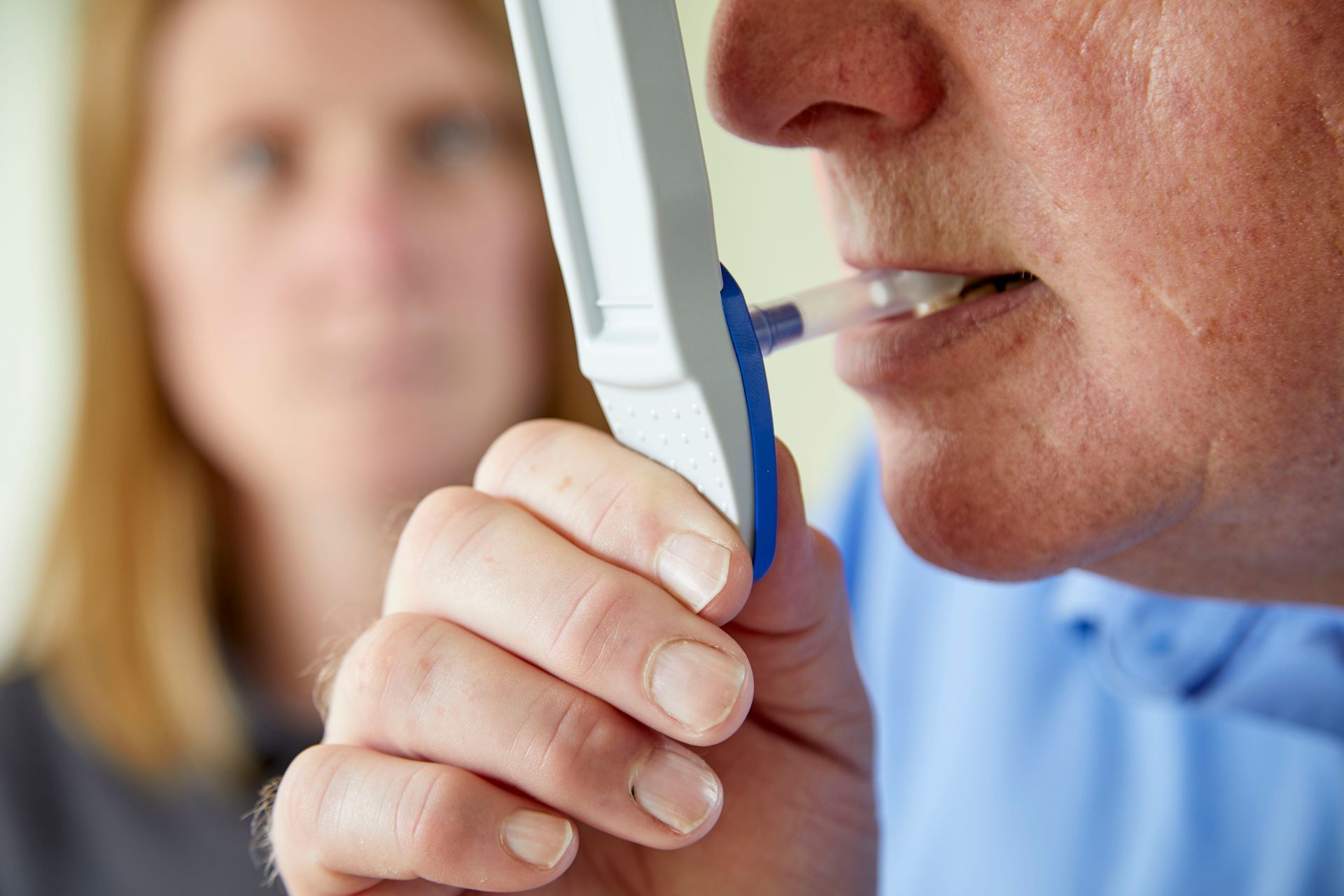

December early morning screening with employees for safety protocols.
By Catherine Lambert December 3, 2025
Discover why December needs unique drug & alcohol screening protocol for workplace safety. Learn 4 critical adjustments to protect your workforce during this period.
Professional team discussing workplace drug and alcohol policy for Christmas party
By Catherine Lambert November 27, 2025
Discover how to adapt your workplace drug and alcohol policies for Christmas parties. Expert guidance from Lemon Cherry on creating safer festive celebrations.
Coach Services Ltd buses lined up in company yard representing safe fleet operations
By Catherine Lambert November 24, 2025
See how Coach Services Ltd transformed safety with professional drug testing. From unexpected discoveries to competitive advantage through quarterly testing.
Autumn forest scene with bridge showing seasonal worker changes companies need to make
By Catherine Lambert November 23, 2025
Critical November compliance guide for seasonal worker drug and alcohol screening. Avoid Christmas period risks with proper workforce screening.
UK workplace safety statistics showing benefits of regular random drug and alcohol testing programme
By Catherine Lambert November 14, 2025
Discover how regular random drug and alcohol testing transforms workplace safety. UK verified statistics and expert guidance.
Yorkshire workplace safety meeting on seasonal affective disorder policies and substance screening
By Catherine Lambert October 21, 2025
Comprehensive workplace safety policies addressing Seasonal Affective Disorder and substance screening. Expert guidance for Yorkshire employers from Lemon Cherry.
Hessle Rangers U10 girls football team wearing Lemon Cherry sponsored shirts
By Catherine Lambert October 10, 2025
Lemon Cherry sponsors Hessle Rangers U10 girls football team because they embody our core values of teamwork, trust and dedication in workplace safety.
Manager reviewing workplace safety checklist with team
By Catherine Lambert May 9, 2025
Safety problems don't announce themselves. They lurk beneath the surface, waiting for the perfect moment to emerge. And when they do? The costs are staggering. The Hidden Price of Reactive Safety Management Most companies respond to workplace safety issues only after something goes wrong. This reactive approach seems cheaper at first glance. But is it really? Consider this: workplace incidents involving drugs or alcohol don't just happen out of nowhere. They build up gradually, with warning signs that go unnoticed or ignored. When an incident finally occurs, you're not just dealing with the immediate aftermath. You're facing a cascade of expenses: Lost productivity from work stoppages Potential legal liabilities Increased insurance premiums Damage to equipment or property Harm to company reputation Decreased staff morale These costs add up quickly, often reaching tens of thousands of pounds for even a single serious incident. The Proactive Alternative That Saves Money Smart businesses are shifting to proactive safety approaches. Why? Because prevention is always less expensive than cure. A proactive safety approach means identifying and addressing potential risks before they cause harm. For drug and alcohol risks specifically, this includes: Regular policy reviews and updates Scheduled screening programs Management awareness training Clear communication about expectations Support systems for employees who need help These measures create multiple layers of protection that catch problems early, when they're still manageable. Real Results from Real Companies One of our manufacturing clients implemented a proactive screening program last year after experiencing three safety incidents in six months. The result? Zero incidents in the 12 months since implementation. Their insurance premiums decreased by 15%, and productivity increased by 8% due to fewer work disruptions. Another client in the transport sector invested in management awareness training. Within three months, supervisors had successfully identified five situations that could have led to serious incidents – before any harm occurred. The Three Pillars of Proactive Safety Creating an effective proactive approach isn't complicated, but it does require commitment. Focus on these three areas: 1. Prevention Systems Establish regular screening schedules that everyone understands and expects. This normalizes the process and removes the stigma. Create clear policies that explain consequences but also offer support pathways. Use Home Office approved equipment for reliable results that stand up to scrutiny. 2. People Awareness Train managers to recognize warning signs early. Educate employees about the impacts of substance misuse on safety. Build a culture where speaking up about concerns is encouraged, not punished. 3. Continuous Improvement Review incidents and near-misses to identify system weaknesses. Update policies based on real-world experiences. Celebrate improvements in safety metrics to reinforce positive behaviours. Making the Shift: Where to Start Transitioning from reactive to proactive safety management doesn't happen overnight. Start with these practical steps: Assess your current approach honestly Identify your biggest risk areas Develop a structured screening program Train your management team Communicate changes clearly to all staff Remember that consistency matters more than perfection. A simple system that's followed consistently will outperform a complex one that's irregularly applied. The Bottom Line: Prevention Pays The mathematics of workplace safety is simple: Prevention < Reaction Every pound invested in proactive safety measures typically saves £3-£5 in potential incident costs. Beyond the financial benefits, proactive approaches create workplaces where people feel valued and protected. This leads to better retention, higher productivity, and stronger company culture. Isn't that worth investing in? Ready to Build Your Proactive Safety Approach? At Lemon Cherry, we've helped hundreds of businesses across high-risk sectors develop effective, confidential screening programs that prevent incidents before they happen. Our team brings decades of experience in safeguarding and investigations, using Home Office approved equipment that delivers reliable results you can trust. Want to learn how a proactive approach could work in your specific environment? Contact us today for a confidential consultation.
Front of ideal boiler
By Lemon Cherry October 11, 2022
Working with Lemon Cherry is one way in which boiler manufacturer Ideal Heating is keeping its workforce safe
By Lemon Cherry October 11, 2022
Setting the transport standard for years