David from a Rotherham engineering firm stares at the incident report on his desk. Third workplace accident this month. No injuries this time, but the pattern is troubling. His insurance broker mentioned drug and alcohol testing during their last review, but David isn't sure where to start - or whether his 40-person company even needs it.
Meanwhile, Sarah from Sheffield Manufacturing is reviewing her existing urine testing programme as part of her January policy refresh. It works, but she's wondering if there might be better options for her team in 2026.
Both situations are more common than you might think. Whether you're considering testing for the first time or reviewing an existing programme, choosing the right approach makes all the difference between a programme that protects your business and one that creates unnecessary complications.
Here's how to determine what your business actually needs and why the method you choose matters more than most employers realise.
Do You Actually Need Drug and Alcohol Testing?
The Reality Check
Not every business needs formal testing programmes, but many more could benefit than currently implement them. The question isn't always about legal requirements, it's about risk management and duty of care.
High-Risk Indicators:
- Employees operate machinery or vehicles
- Work involves heights, confined spaces, or hazardous materials
- Safety-critical roles where impairment could affect others
- Insurance requirements or client contract specifications
- Previous incidents that might be substance-related
Lower-Risk Scenarios:
- Office-based roles with minimal safety implications
- Very small teams where direct supervision is constant
- Industries with minimal safety risks to employees or public
The key is honest risk assessment. A graphic design studio faces different challenges than a construction company or transport operation.
If You're Starting from Scratch
Policy First, Testing Second
Many businesses jump straight to testing without establishing clear policies. This creates confusion, potential legal issues, and employee relations problems.
Your policy should define:
- When testing might occur (pre-employment, random, post-incident, for-cause)
- What substances you're testing for
- What happens if someone tests positive
- How you'll support employees who need help
- Clear consequences and appeals processes
Getting Employee Buy-In
Testing works best when employees understand it's about safety, not punishment. Frame it as protecting everyone in your workplace, not catching people out.
Consultation during policy development helps employees understand your reasoning and reduces resistance when testing begins.
Understanding Your Testing Options
Traditional Urine Testing: The 'Established' Approach
Urine testing has decades of proven reliability. Many established programmes use this method successfully, and it provides comprehensive detection windows for various substances.
The collection process requires appropriate facilities and some privacy for the individual being tested. While the actual sample collection can be provided fairly quickly, the overall procedure including paperwork and documentation follows established protocols.
Legal precedents are well-established, and most regulatory frameworks accommodate urine testing requirements.
Oral Fluid Testing: The Modern Alternative
Oral fluid testing addresses many practical challenges that businesses face, particularly those without extensive existing programmes.
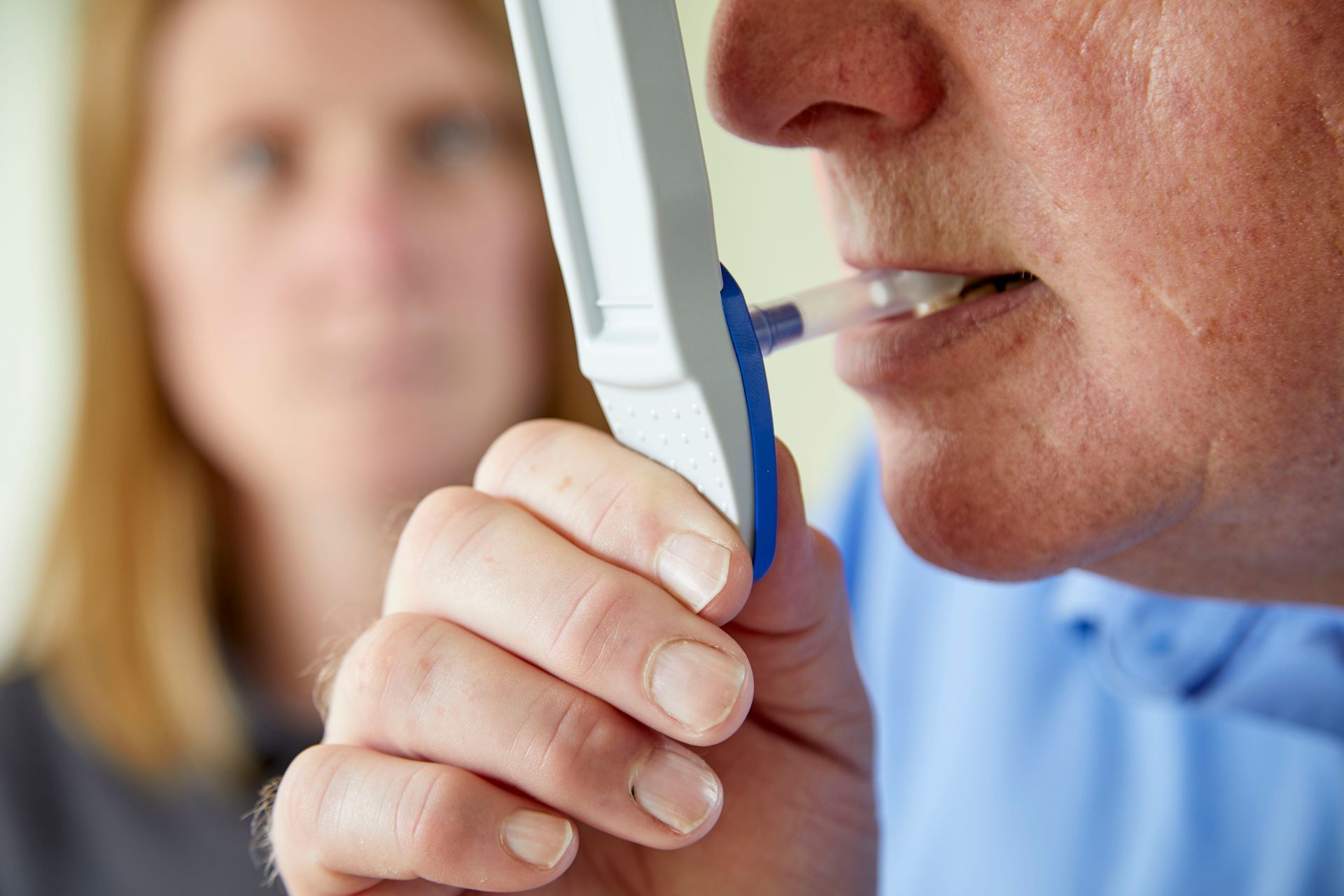
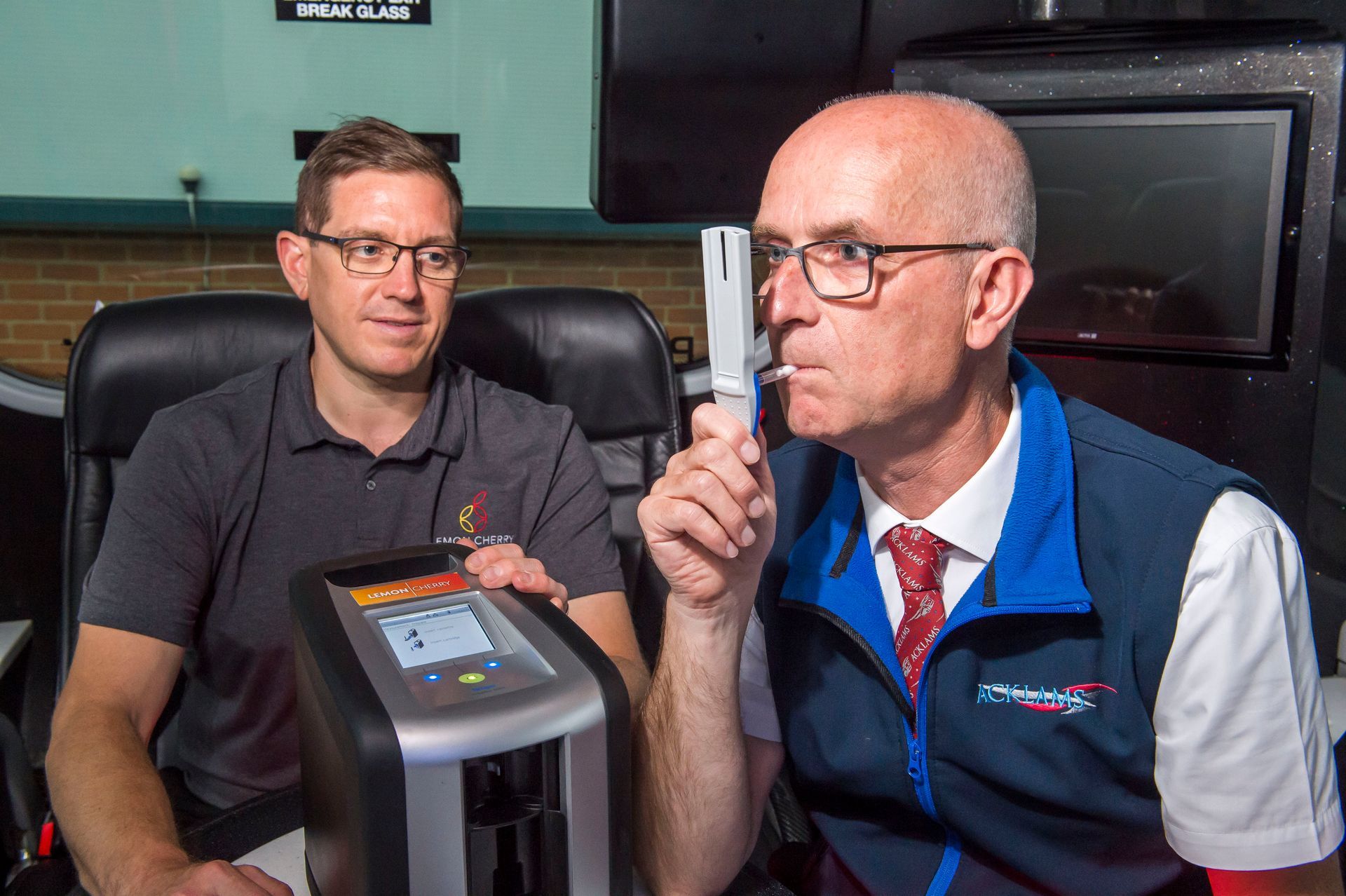
The collection process is observed directly and requires minimal facilities. It can be done virtually anywhere, given that the individual has a confidential space. The sample is collected and either tested or sealed immediately, eliminating potential tampering concerns.
The technology has matured to provide accuracy while offering operational advantages, particularly around facility requirements and employee acceptance.
Hair Testing: The Long-Term View
Hair testing offers the longest detection window, typically up to 90 days (and exceeding in many cases), compared to days for other methods. This makes it valuable for specific circumstances where historical use patterns matter more than recent impairment.
Collection is simple and non-invasive, requiring only a small hair sample. However, results take longer to process, and the method can't detect very recent use (substances typically don't appear in hair for 5-7 days after use).
Hair testing works well for pre-employment screening in high-security roles or when investigating patterns of use, but it's less practical for post-incident or random testing where immediate results matter.
Why We Generally Recommend Oral Fluid
As an independent testing provider, we've seen all methods work effectively in appropriate circumstances. However, for most businesses who require 'fitness to work' testing, especially those implementing programmes for the first time, oral fluid testing offers compelling advantages.
- Facility Requirements: Many businesses lack facilities specifically suitable for traditional collection procedures. Oral fluid eliminates this barrier, making testing practical for any workplace location.
- Employee Acceptance: First-time testing programmes succeed when employees find the process straightforward and non-intrusive. Oral fluid collection generally receives higher acceptance rates from staff.
- Operational Simplicity: Direct observation during collection eliminates concerns about sample integrity.
- Immediate Chain of Custody: The sample is collected and either tested or sealed (depending on method) in front of the employee, providing clear documentation and reducing potential disputes about collection procedures.
- Versatility: Whether you're testing at your main site, a remote location, or need mobile testing, oral fluid collection works consistently across different environments.
Industry-Specific Considerations
Manufacturing and Engineering
Production environments benefit from testing methods that work reliably regardless of available facilities. When you need consistency across multiple sites or shifts, oral fluid testing provides that flexibility.
Construction and Contracting
Project sites rarely have permanent facilities suitable for all testing methods. Oral fluid collection works effectively at temporary worksites, in site offices, or mobile testing units.
Transport and Distribution
Driver testing becomes more straightforward when facility requirements aren't a concern. Oral fluid methods work whether you're testing at depot, on routes, or at customer locations.
High-Security/Safety Critical and Sensitive Roles
Some positions may benefit from hair testing's extended detection window during pre-employment screening. Executive roles, security positions, or safety-critical appointments where historical patterns matter more than immediate detection.
Small to Medium Businesses
Companies without dedicated HR departments or testing facilities find oral fluid testing easier to implement and manage consistently.
Office-Based with Field Elements
Businesses with mixed environments i.e. office workers plus delivery drivers, maintenance staff, or client-site workers, benefit from testing methods that work everywhere without facility constraints.
When Traditional Methods Make Sense
Maritime and Specialist Transport Industries
Certain sectors have specific regulatory requirements for urine testing. We ensure these businesses meet their compliance obligations while maintaining efficient procedures.
Established Programmes
Businesses with successful existing programmes and appropriate facilities may prefer consistency, especially when tracking long-term data or during legal proceedings.
Specific Contract Requirements
Some client contracts or insurance policies specify particular testing methods. Understanding these requirements helps determine your available options.
Investigation Scenarios
When investigating suspected substance misuse patterns rather than current impairment, hair testing's extended detection window can provide valuable insights, though this requires careful legal and HR consideration.
The Independent Advantage
Unbiased Recommendations
As an independent provider, we don't have financial incentives to push expensive or complicated solutions. We recommend what works best for your specific situation and operational needs.
Method Flexibility
We can accommodate different testing methods as your circumstances require. If your industry needs urine testing, we provide that. If oral fluid better suits your operations, that's our recommendation. For specific roles requiring extended detection windows, hair testing remains available.
No Hidden Agendas
Some providers push their preferred methods regardless of client needs. We match the testing approach to your business requirements, facility capabilities, and employee considerations, not our operational preferences.
Making Your Decision
Questions to Consider:
For New Programmes:
- What are your actual safety risks?
- What testing facilities do you currently have?
- How will testing integrate with your operations?
- How important is employee acceptance?
- Do you need immediate results or historical patterns?
- What can you realistically manage administratively?
For Existing Programmes:
- Are you experiencing any operational challenges?
- How satisfied are employees with the current process?
- Do your facilities adequately support your testing method?
- Are you getting good value from your current approach?
- Do your testing needs match your chosen method?
The Practical Reality
The best testing method is the one that effectively protects your workplace while fitting practically within your operations, facilities, culture, and budget.
For most businesses, especially those starting new programmes or operating across multiple locations, oral fluid testing offers advantages around facility flexibility and employee acceptance. Urine testing remains valuable for specific regulatory requirements, while hair testing serves particular needs around historical detection.
Getting Started Right
Whether you're implementing testing for the first time or reviewing existing programmes, success depends on choosing methods that work for your specific situation.
New to testing? We help businesses develop policies and programmes that protect without creating unnecessary complexity or employee relations issues.
Reviewing existing programmes? We provide honest assessments of whether your current approach could be improved, simplified, or better matched to your operational needs.
Ready to explore your options? We offer independent consultations covering your risk assessment, testing method selection, policy development, and practical implementation considerations.
Contact us on 01964 503773 to discuss what drug and alcohol testing could mean for your business. Sometimes you need comprehensive programmes, sometimes simple solutions work better, and sometimes you might not need testing at all.
We'll help you figure out which applies to your situation and recommend the approach that actually serves your needs, not ours.