
The government has just announced a significant road safety consultation that could have far-reaching implications for your workplace substance misuse policies.
At Lemon Cherry, we've been helping businesses maintain safe workplaces through reliable drug and alcohol screening for many years. This proposed change deserves your attention, especially if your company policy currently references the national drink-drive limit.
The Proposed Changes
This week, Transport Secretary Heidi Alexander unveiled plans to reduce the drink-drive limit in England and Wales for the first time since 1967. The current limit of 35 micrograms of alcohol per 100ml of breath (80mg per 100ml of blood) is set to be lowered to 22 micrograms (50mg per 100ml of blood), matching Scotland's limit introduced in 2014.
As reported in The Guardian, the government aims to reduce fatalities and serious injuries on British roads by 65% by 2035 through these measures. The consultation period is expected to run through early 2026, with legislation potentially coming into force in 2027.
Why This Matters for Your Workplace
Many businesses take one of two approaches in their workplace substance misuse policies:
- The National Standard Approach Some companies reference the national drink-drive limit in their policies, stating that employees must not exceed this limit while at work.
- The Zero Tolerance Approach Other organisations implement a clearer zero-tolerance policy, referring any employees with a detectable level of alcohol in their system during work hours, to internal disciplinary procedures and pending further investigation.
If your business follows the first approach, this legislative change will automatically lower the threshold for acceptable alcohol levels in your workplace once implemented. This represents a significant shift that requires careful consideration and communication.
The Evidence Behind the Change
Research clearly shows that even small amounts of alcohol can significantly impair performance. According to studies, drivers with a breath alcohol concentration at the proposed new limit (22 micrograms per 100ml) are six times less likely to be involved in a fatal crash than those at the current legal limit.
What's perhaps even more telling is that if the limit were reduced further to 9 micrograms (as it is in many European countries), the likelihood of being in a fatal crash would be reduced by approximately 13 times.
These statistics underline what we've long advised our customer where even relatively small amounts of alcohol can significantly impair reaction times, judgement, and coordination; all critical faculties in high-risk industries.
What Your Business Should Do Now
1. Review Your Current Policy
First, determine whether your substance misuse policy references the drink-drive limit or establishes its own standards. If it ties to the national limit, you'll need to plan for this change.
2. Consider a Proactive Approach
Rather than waiting for legislation, many forward thinking companies are already adopting the Scottish limit or moving to zero-tolerance policies, particularly in high-risk sectors like:
- Construction
- Transport
- Manufacturing
- Warehousing
- Distribution
- Care industry
3. Update Testing Procedures
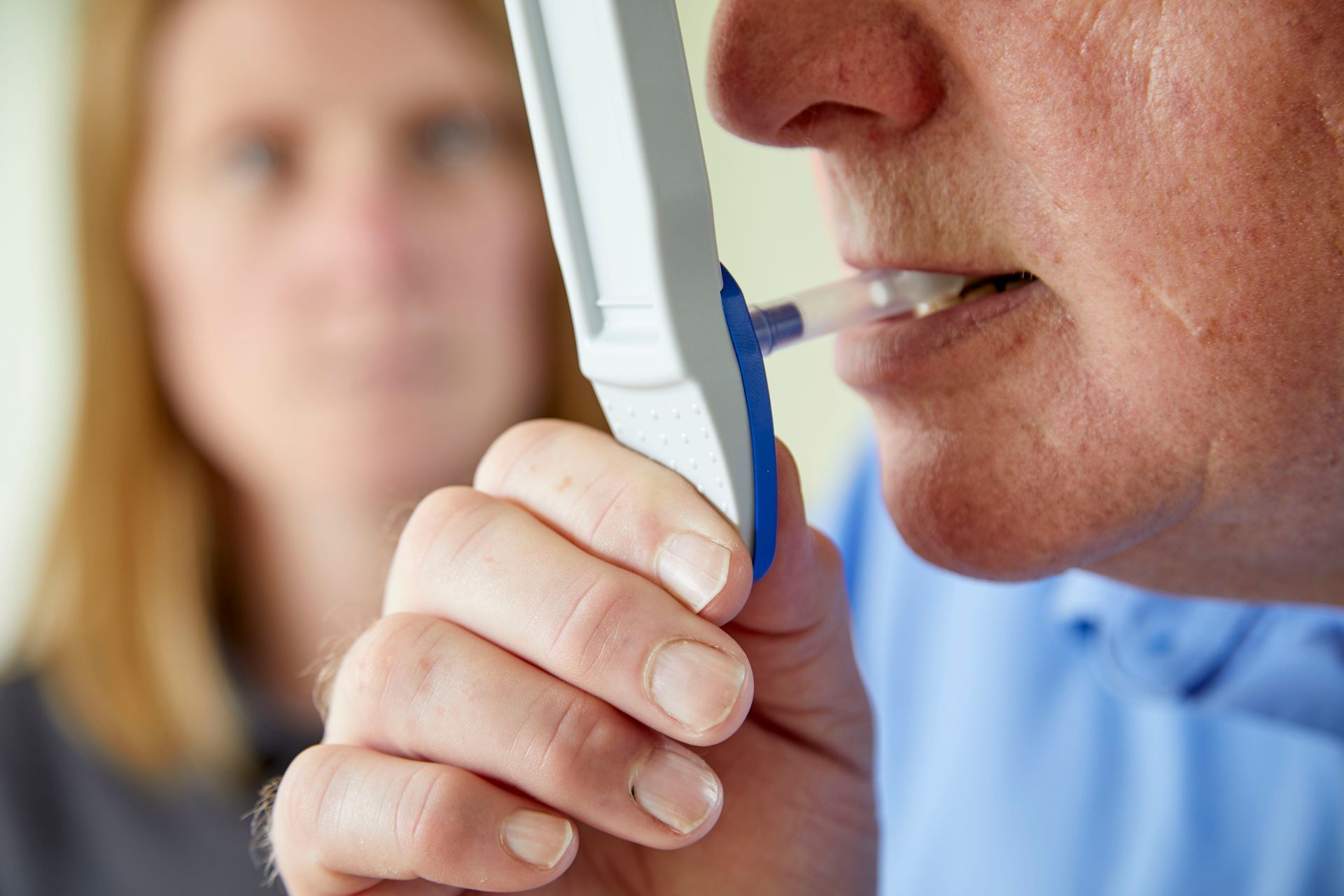
If you're planning to adjust your policy, ensure your testing procedures and equipment can accurately measure lower thresholds. At Lemon Cherry, our Home Office approved equipment already meets these standards, giving you reliable results that stand up to scrutiny.
4. Communicate Changes Clearly
Any policy change requires clear communication to your workforce. Explain why the change is happening, how it benefits workplace safety, and when it will take effect. Transparency builds trust and improves compliance.
The Future of Workplace Safety
This proposed change reflects a growing recognition that safety standards must continually evolve. Whether your business is directly affected by the new drink-drive limits or not, this consultation provides an excellent opportunity to review your overall approach to workplace substance misuse.
For businesses in high-risk sectors, the stakes are particularly high. A single incident can have catastrophic consequences for individuals, colleagues, and the organisation's reputation. Implementing reliable screening protocols is no longer optional, it's essential.
How Lemon Cherry Can Help
With years of experience in workplace drug and alcohol screening, we specialise in helping businesses develop and implement effective policies that maintain safety while respecting employees' dignity.
Our services include:
- Policy review and development
- Management awareness workshops to help you recognise signs of substance misuse
- Confidential screening using Home Office approved equipment
- Tailored solutions for high-risk sectors
If you'd like to discuss how these proposed changes might affect your business, or if you're considering updating your substance misuse policy, our expert team is here to help. Contact us today for a confidential conversation about keeping your workplace safe.