Why December Drug Testing Requires Different Approaches Than Year-Round Screening
Catherine Lambert • December 3, 2025
Why December Drug Testing Requires Different Approaches Than Year-Round Screening


The festive period brings unique workplace risks that standard screening often misses. Most companies see a 34% increase in substance-related incidents during December, yet continue using the same testing protocols they've relied on all year.


This approach creates dangerous blind spots.


At Lemon Cherry, we've conducted many December screenings across high-risk sectors since we began. The pattern is clear, holiday testing effectiveness depends entirely on adjusting your approach to match seasonal behaviour changes.


Why December Demands Different Testing Strategies


The festive season creates three distinct workplace safety challenges:


1. Increased social drinking becomes workplace risk


December brings Christmas parties, after-work drinks, and family gatherings. Employees who rarely drink might consume alcohol multiple nights weekly. This leads to cumulative impairment even when no single episode involves excessive consumption.


In transport and manufacturing environments, even mild impairment increases accident likelihood by 27%.


2. Morning-after testing becomes critical


Standard random testing often misses the December morning-after effect. An employee might feel "fine" after a night out yet still have breath alcohol levels above legal workplace limits.


Countless, positive results occur from employees who genuinely believed they were unimpaired.


3. Testing avoidance increases


When employees anticipate potential positive results, avoidance behaviours increase dramatically. The rise in sudden illness reports and shift-swapping during December testing periods creates dangerous workforce gaps exactly when accident risks peak.


December Specific Testing Solutions


Our extensive experience with high-risk sectors has identified four critical adjustments that transform December testing effectiveness:


 1. Adjust timing patterns


Standard random testing can often occur between 'office hours'. This misses the morning-after risk period entirely.


For December, implement strategic early-morning testing windows (6:00am onwards or earlier, if required) when residual impairment poses greatest safety risks.


2. Implement temporary policy amendments


Your standard policy likely emphasises random selection. For December, supplement with additional measures:


  • Pre-shift screening before high-risk operations
  • Mandatory testing following company social events
  • Department-wide sweeps when absence patterns suggest avoidance
  • Morning checks for safety-critical roles regardless of random selection


These temporary amendments must be clearly communicated before implementation to maintain trust and transparency.


3. Modify communication approach


December testing requires different messaging. Standard compliance-focused language creates resistance during the festive period.

Instead, frame December screening as:


  • A protective measure ensuring everyone returns safely to loved ones
  • A temporary adjustment reflecting seasonal risks
  • A shared responsibility rather than punitive action


4. Use different detection technologies


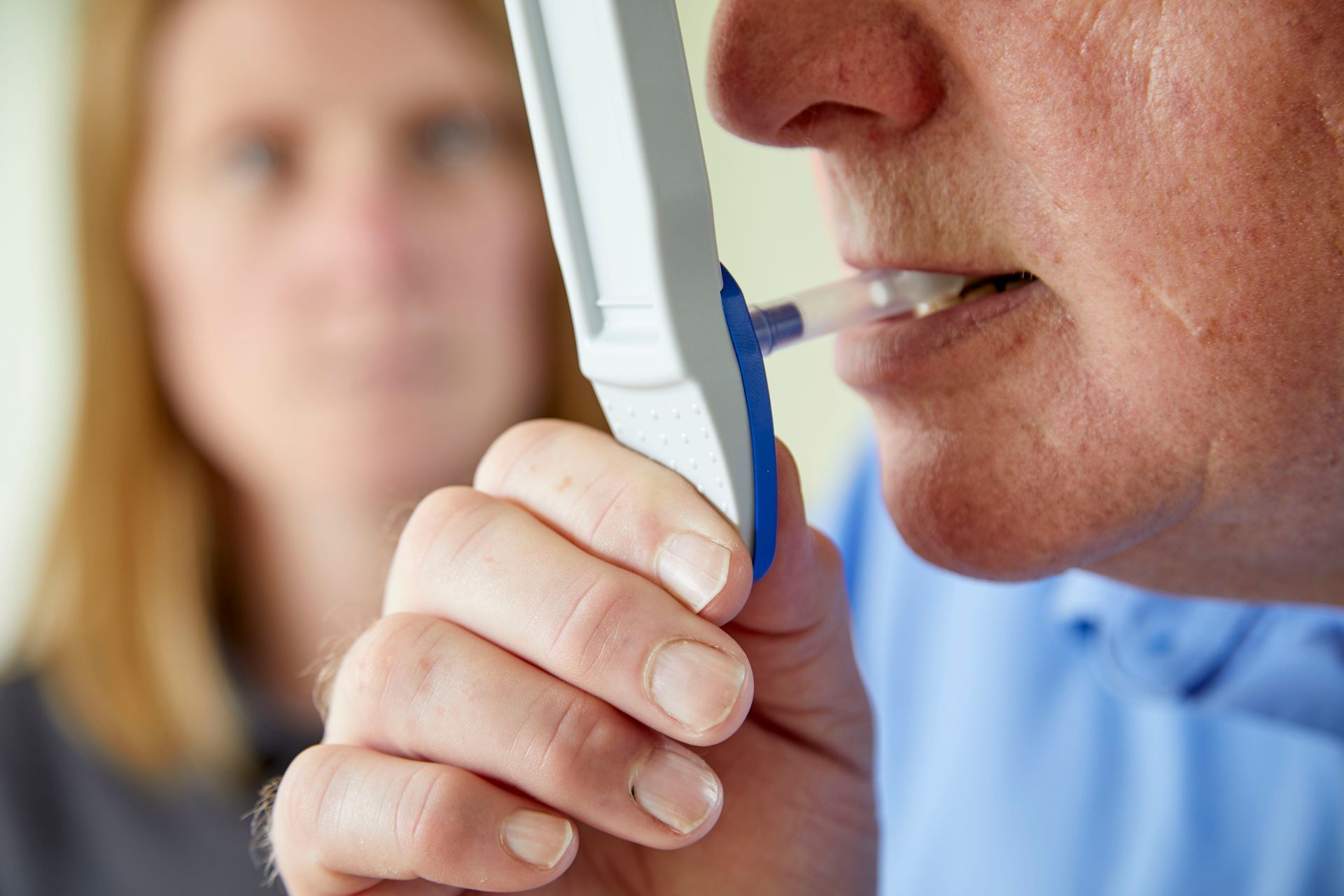
Our Home Office approved equipment detects lower-level impairment that standard devices may miss – identifying subtle capacity reduction before it becomes dangerous.


Implementation Timeline for December Adjustments


For optimal effectiveness, December screening adjustments require advance planning:


Mid-November: Policy amendment communication


  • Announce temporary December protocols
  • Explain safety rationale
  • Address employee questions


Late November: Management training


  • Ensure supervisors understand seasonal risks
  • Provide communication guidance
  • Review detection procedures


Early December: Implementation


  • Begin adjusted testing patterns
  • Monitor effectiveness
  • Provide regular updates


January: Return to standard protocols


  • Resume normal testing procedures
  • Review December data
  • Update annual policy if needed


Why Experience Matters for December Testing


December testing requires specialist knowledge. While many providers offer standard workplace screening, few understand the unique challenges the festive period brings.


With over 25 years' experience conducting December screening across high-risk sectors, we've developed protocols that maintain workplace safety without undermining employee morale during this sensitive period.


Our Home Office approved equipment provides reliability precisely when testing accuracy matters most – when subtle impairment creates major safety risks.


Taking Action: December Testing Assessment


Is your current testing approach ready for December's unique challenges? Most organisations discover critical gaps only after incidents occur.


For a confidential December testing review, contact our team at 01964 503773 or info@lemoncherry.co.uk. We'll assess your current protocols and identify specific adjustments that maintain workplace safety through the festive season, ensuring everyone returns home safely after every shift.


Because keeping workplaces safe in December requires more than standard screening. It demands experience, specialised equipment, and seasonal expertise that only comes from decades of December testing across high-risk environments.


Professional team discussing workplace drug and alcohol policy for Christmas party
By Catherine Lambert November 27, 2025
Discover how to adapt your workplace drug and alcohol policies for Christmas parties. Expert guidance from Lemon Cherry on creating safer festive celebrations.
Coach Services Ltd buses lined up in company yard representing safe fleet operations
By Catherine Lambert November 24, 2025
See how Coach Services Ltd transformed safety with professional drug testing. From unexpected discoveries to competitive advantage through quarterly testing.
Autumn forest scene with bridge showing seasonal worker changes companies need to make
By Catherine Lambert November 23, 2025
Critical November compliance guide for seasonal worker drug and alcohol screening. Avoid Christmas period risks with proper workforce screening.
UK workplace safety statistics showing benefits of regular random drug and alcohol testing programme
By Catherine Lambert November 14, 2025
Discover how regular random drug and alcohol testing transforms workplace safety. UK verified statistics and expert guidance.
Yorkshire workplace safety meeting on seasonal affective disorder policies and substance screening
By Catherine Lambert October 21, 2025
Comprehensive workplace safety policies addressing Seasonal Affective Disorder and substance screening. Expert guidance for Yorkshire employers from Lemon Cherry.
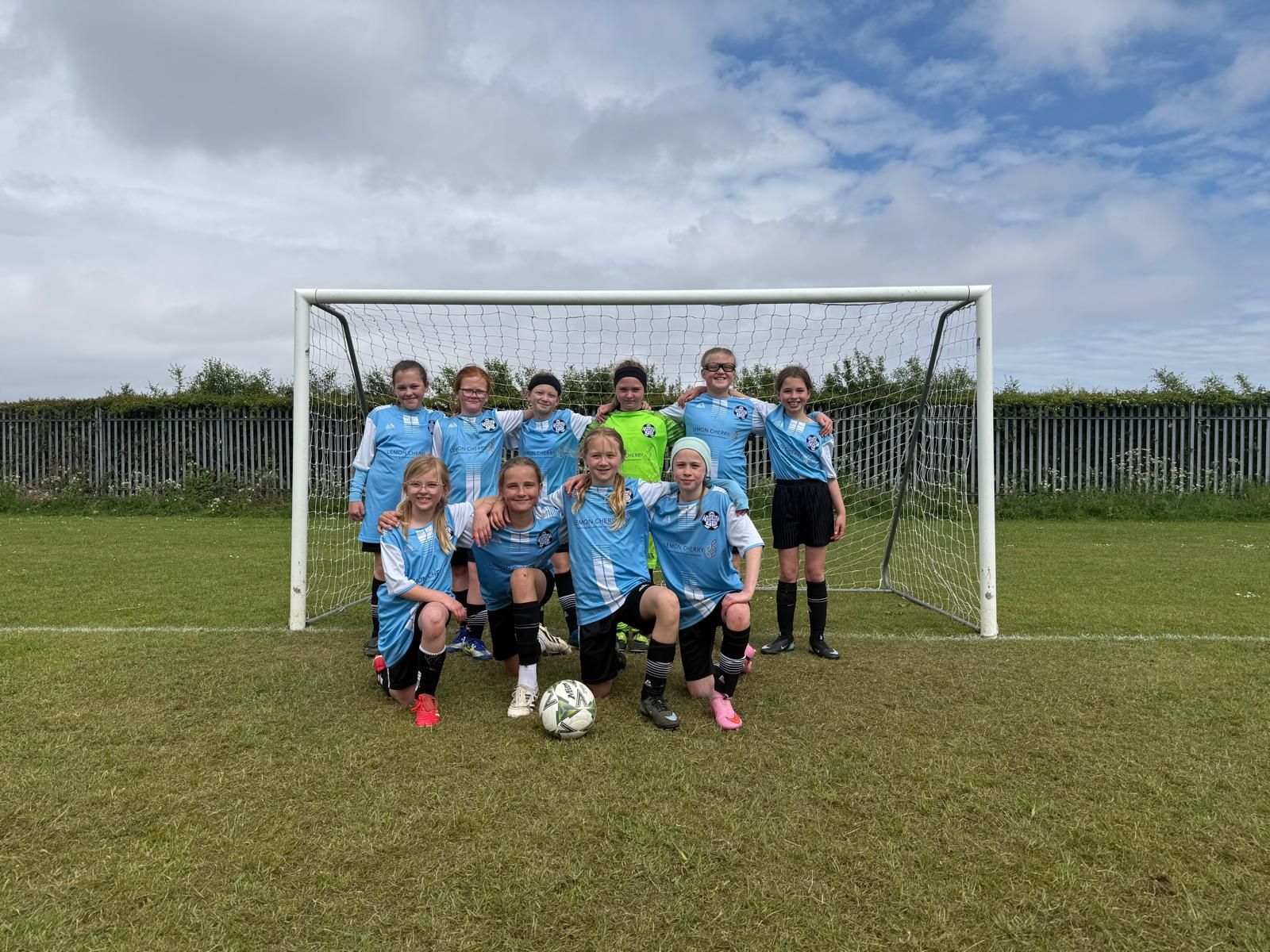
Hessle Rangers U10 girls football team wearing Lemon Cherry sponsored shirts
By Catherine Lambert October 10, 2025
Lemon Cherry sponsors Hessle Rangers U10 girls football team because they embody our core values of teamwork, trust and dedication in workplace safety.
Manager reviewing workplace safety checklist with team
By Catherine Lambert May 9, 2025
Safety problems don't announce themselves. They lurk beneath the surface, waiting for the perfect moment to emerge. And when they do? The costs are staggering. The Hidden Price of Reactive Safety Management Most companies respond to workplace safety issues only after something goes wrong. This reactive approach seems cheaper at first glance. But is it really? Consider this: workplace incidents involving drugs or alcohol don't just happen out of nowhere. They build up gradually, with warning signs that go unnoticed or ignored. When an incident finally occurs, you're not just dealing with the immediate aftermath. You're facing a cascade of expenses: Lost productivity from work stoppages Potential legal liabilities Increased insurance premiums Damage to equipment or property Harm to company reputation Decreased staff morale These costs add up quickly, often reaching tens of thousands of pounds for even a single serious incident. The Proactive Alternative That Saves Money Smart businesses are shifting to proactive safety approaches. Why? Because prevention is always less expensive than cure. A proactive safety approach means identifying and addressing potential risks before they cause harm. For drug and alcohol risks specifically, this includes: Regular policy reviews and updates Scheduled screening programs Management awareness training Clear communication about expectations Support systems for employees who need help These measures create multiple layers of protection that catch problems early, when they're still manageable. Real Results from Real Companies One of our manufacturing clients implemented a proactive screening program last year after experiencing three safety incidents in six months. The result? Zero incidents in the 12 months since implementation. Their insurance premiums decreased by 15%, and productivity increased by 8% due to fewer work disruptions. Another client in the transport sector invested in management awareness training. Within three months, supervisors had successfully identified five situations that could have led to serious incidents – before any harm occurred. The Three Pillars of Proactive Safety Creating an effective proactive approach isn't complicated, but it does require commitment. Focus on these three areas: 1. Prevention Systems Establish regular screening schedules that everyone understands and expects. This normalizes the process and removes the stigma. Create clear policies that explain consequences but also offer support pathways. Use Home Office approved equipment for reliable results that stand up to scrutiny. 2. People Awareness Train managers to recognize warning signs early. Educate employees about the impacts of substance misuse on safety. Build a culture where speaking up about concerns is encouraged, not punished. 3. Continuous Improvement Review incidents and near-misses to identify system weaknesses. Update policies based on real-world experiences. Celebrate improvements in safety metrics to reinforce positive behaviours. Making the Shift: Where to Start Transitioning from reactive to proactive safety management doesn't happen overnight. Start with these practical steps: Assess your current approach honestly Identify your biggest risk areas Develop a structured screening program Train your management team Communicate changes clearly to all staff Remember that consistency matters more than perfection. A simple system that's followed consistently will outperform a complex one that's irregularly applied. The Bottom Line: Prevention Pays The mathematics of workplace safety is simple: Prevention < Reaction Every pound invested in proactive safety measures typically saves £3-£5 in potential incident costs. Beyond the financial benefits, proactive approaches create workplaces where people feel valued and protected. This leads to better retention, higher productivity, and stronger company culture. Isn't that worth investing in? Ready to Build Your Proactive Safety Approach? At Lemon Cherry, we've helped hundreds of businesses across high-risk sectors develop effective, confidential screening programs that prevent incidents before they happen. Our team brings decades of experience in safeguarding and investigations, using Home Office approved equipment that delivers reliable results you can trust. Want to learn how a proactive approach could work in your specific environment? Contact us today for a confidential consultation.
Front of ideal boiler
By Lemon Cherry October 11, 2022
Working with Lemon Cherry is one way in which boiler manufacturer Ideal Heating is keeping its workforce safe
By Lemon Cherry October 11, 2022
Setting the transport standard for years
By Lemon Cherry October 11, 2022
Ensuring the safety of its workforce is paramount for Atlas