

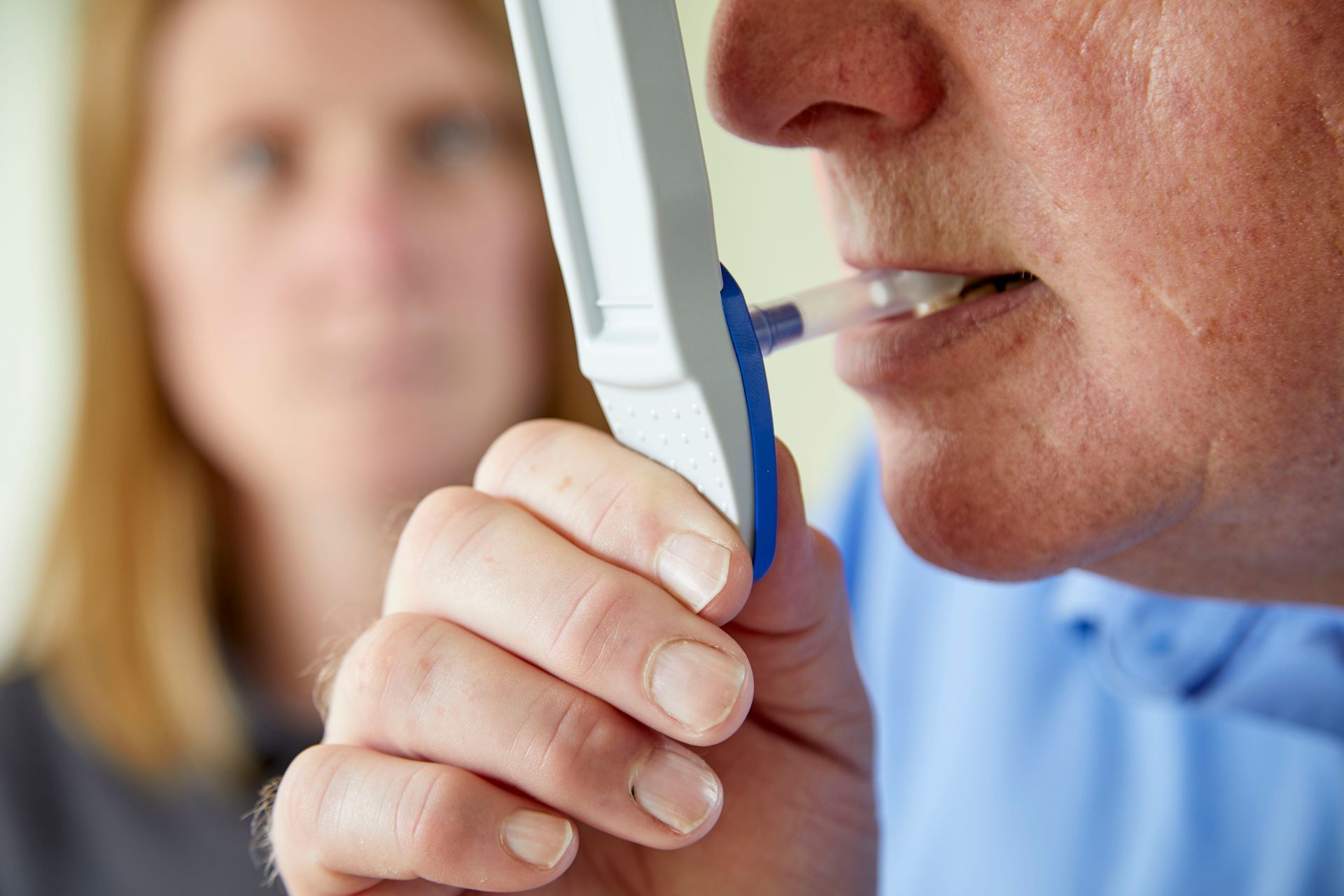
A contractor on a chemicals plant gets selected for a random test. Fair enough - random is random, and that's exactly how it should work.
The test is done. Then done again. Then, apparently, a third time, a fourth, a fifth. No valid result either way. At 4:30 in the afternoon, he's told to leave site and go and find somewhere to get tested himself.
We got a call. He came in first thing the following morning. We ran the test. We got a result.
It shouldn't take until the next morning to resolve a drug test that started the previous afternoon. There should always be a resolution, even where a screen comes back invalid, there's a protocol for that. You work through it. You get to an answer. Sending someone away without one isn't a process. It's a guess with paperwork.
The second situation came via a manager at a transport company. He'd been conducting random testing on drivers early in the morning, away from base, exactly the kind of situation where you want everything to go smoothly, because drivers have places to be and schedules that matter.
The first test didn't produce a clear result. A second was done. The manager read it as non-negative and brought the driver back to base for confirmation testing with us.
When we tested him, the result came back negative. Clearly negative.
What became apparent afterwards was that the devices being used on-site had been read incorrectly. Not because the kit was faulty but because reading a result correctly isn't as straightforward as it looks if you haven't been shown how to do it properly, or if the process wasn't followed to the letter in that moment. There are line strengths to interpret. There are timing windows. There are conditions that affect what you're looking at. Get any one of those slightly wrong and the reading changes.
That driver had an unnecessary journey back to base. He had unnecessary anxiety about his result. The company had a logistical problem on their hands that didn't need to exist.
These aren't isolated incidents. We've been getting more calls like this recently - from individuals who don't understand what happened to them, and from managers trying to work out where their process fell down.
The easy assumption is that it comes down to experience. That if people tested more often, they'd get better at it. And yes, regularity matters.
But it isn't the whole story.
A testing programme can break down at any point in the chain. The training might not have covered what to do when something unexpected happens - only what to do when it goes smoothly. The equipment might not be calibrated or validated to the standard required for the result to be defensible. The documentation might not be complete enough to hold up if someone challenges it later.
Or, and this is probably the most common one, the process gets adjusted in the moment. Someone makes a judgement call. They know the person, or the situation feels different, or they don't want the confrontation, so they flex the procedure slightly. It feels reasonable at the time. It's exactly what unravels things later.
The whole point of a process is that it doesn't bend. This is where independence matters more than most people realise.
An internal tester, however well-trained and well-intentioned, carries relationships into the room. That makes it harder to follow the process without exception, every single time, regardless of who's being tested or what the circumstances are. It's human nature. But it's also how grey areas get created, and grey areas are what challenges are built on.
An external provider doesn't have that problem. We don't know your workforce. We have no stake in the outcome beyond getting it right. The process is the process, whether it's a random programme on a Monday morning, a pre-employment screen, or a for-cause situation at 6am. The documentation is the same. The standard is the same. And when something unexpected happens, an invalid result, an unusual reading, a donor who's unsure what's happening - we know what to do, because that's what we're there for.
That consistency is what makes a result defensible. And it's what stops a test becoming a problem rather than solving one.
The contractor on the chemicals plant deserved a result that day.
The driver deserved a fair read of his test first time around.
Both of them would have got that if the process had been followed correctly from the start, by people whose only job in that moment was to follow it.
If you're thinking about introducing drug and alcohol testing into your workplace or you've already got something in place and you're not completely confident it would hold up under scrutiny, give us a call.
We work with companies across a range of sectors, from chemicals and transport to construction and logistics. We'll have an honest conversation about what a well-run programme looks like for your situation, what you actually need, and what you don't. No hard sell. Just straight advice from people who do this every day. You can reach us at lemoncherry.co.uk.