This year's Alcohol Awareness Week theme is "Alcohol and Me."
It's a personal prompt. It's designed to make people stop and reflect on their own relationship with alcohol - honestly, without judgement. And that's exactly what it should do.
But if you manage a team, there's a version of that question that doesn't get asked nearly enough.
Not your relationship with alcohol. Your workforce's.
The bit that tends not to come up
Most of the conversations this week will focus on individuals. How much people drink. Whether they've noticed it creeping up. Whether they want to cut back.
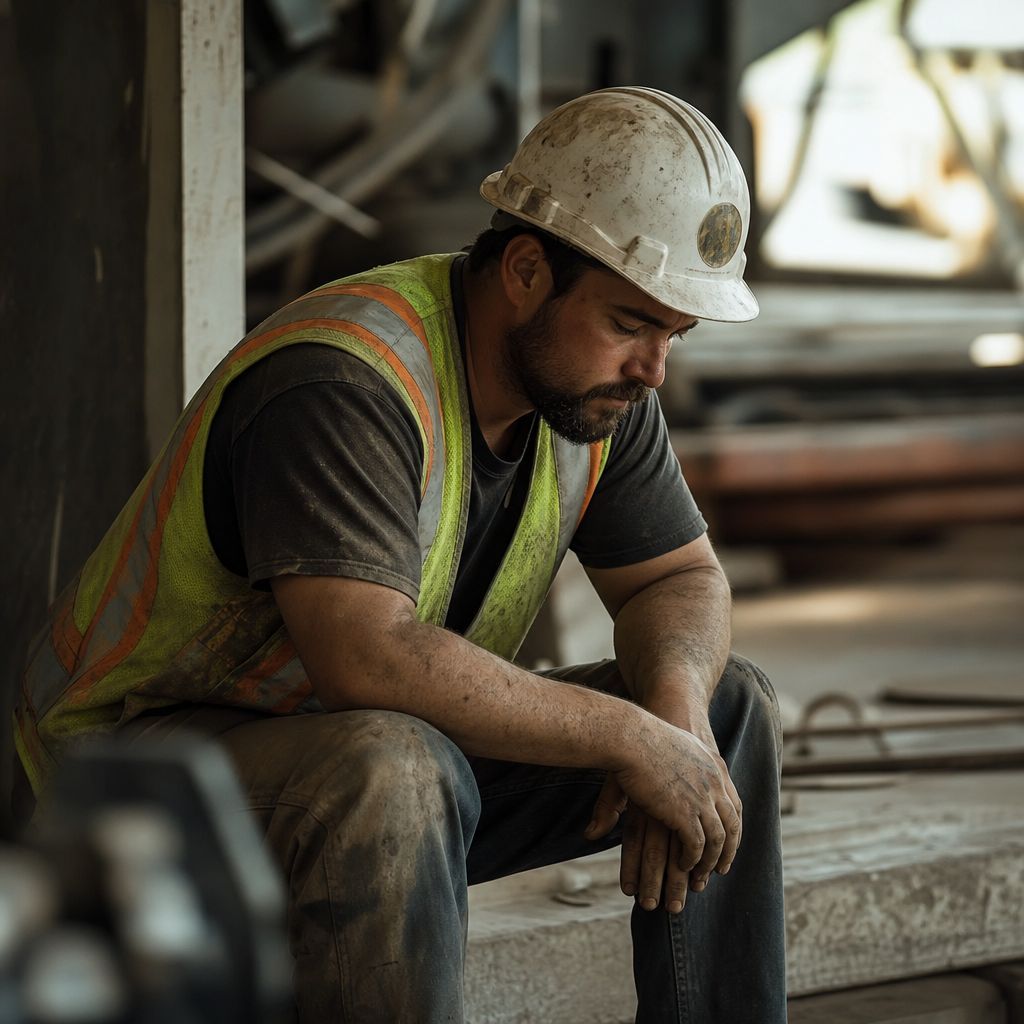
What tends not to come up is the workplace - and the reality that a significant number of people are managing more than anyone around them knows, and turning up to work anyway.
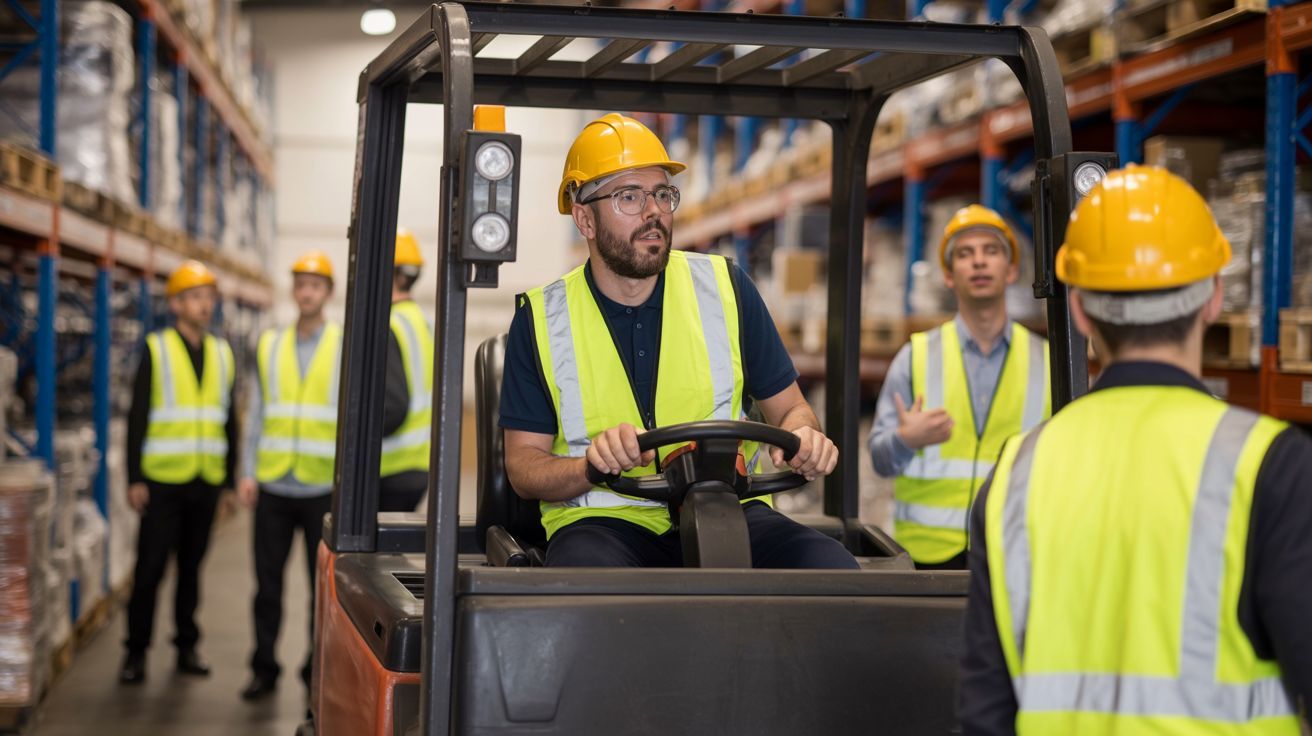
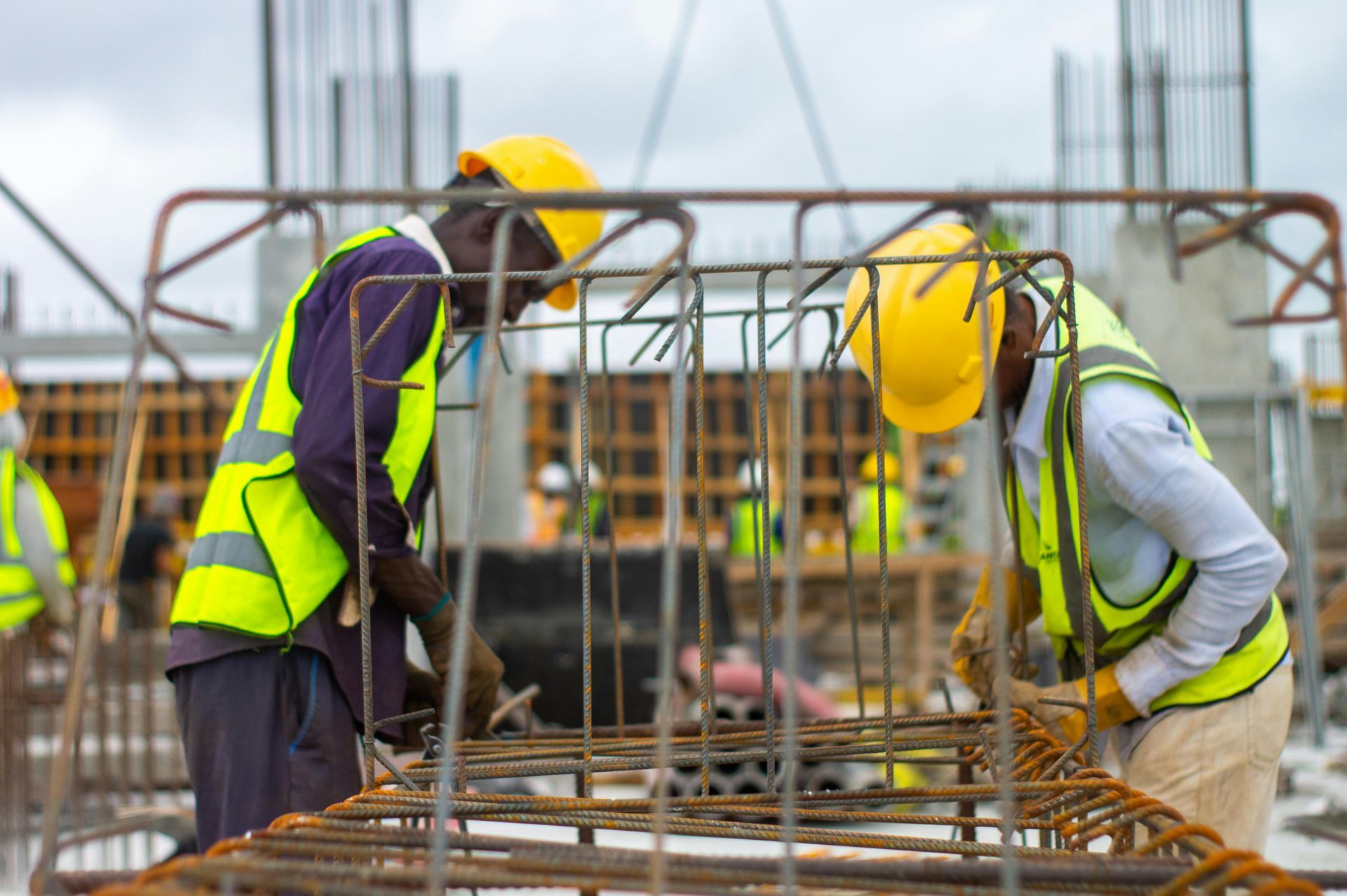
On a building site. Behind a wheel. On a factory floor. In a cab. Operating machinery that doesn't forgive mistakes.
That's not a judgement on those people. Alcohol affects people differently, and the relationship between someone's personal drinking habits and their fitness to work isn't always straightforward. But it is a real thing. And it's happening in workplaces up and down the country every day, quietly, without anyone necessarily realising.
A policy isn't a programme
A lot of companies have a drug and alcohol policy. Some of them have had the same one for ten years, reviewed it once, and put it back in the folder.
That policy is only as useful as the process behind it.
If there's no testing, no training for managers, no culture of open conversation around substance use - the policy is essentially a piece of paper. It might look fine from the outside. It won't hold up if something goes wrong and it ends up in front of a tribunal.
What actually works is a bit more joined-up than that - and honestly, it doesn't have to be complicated.
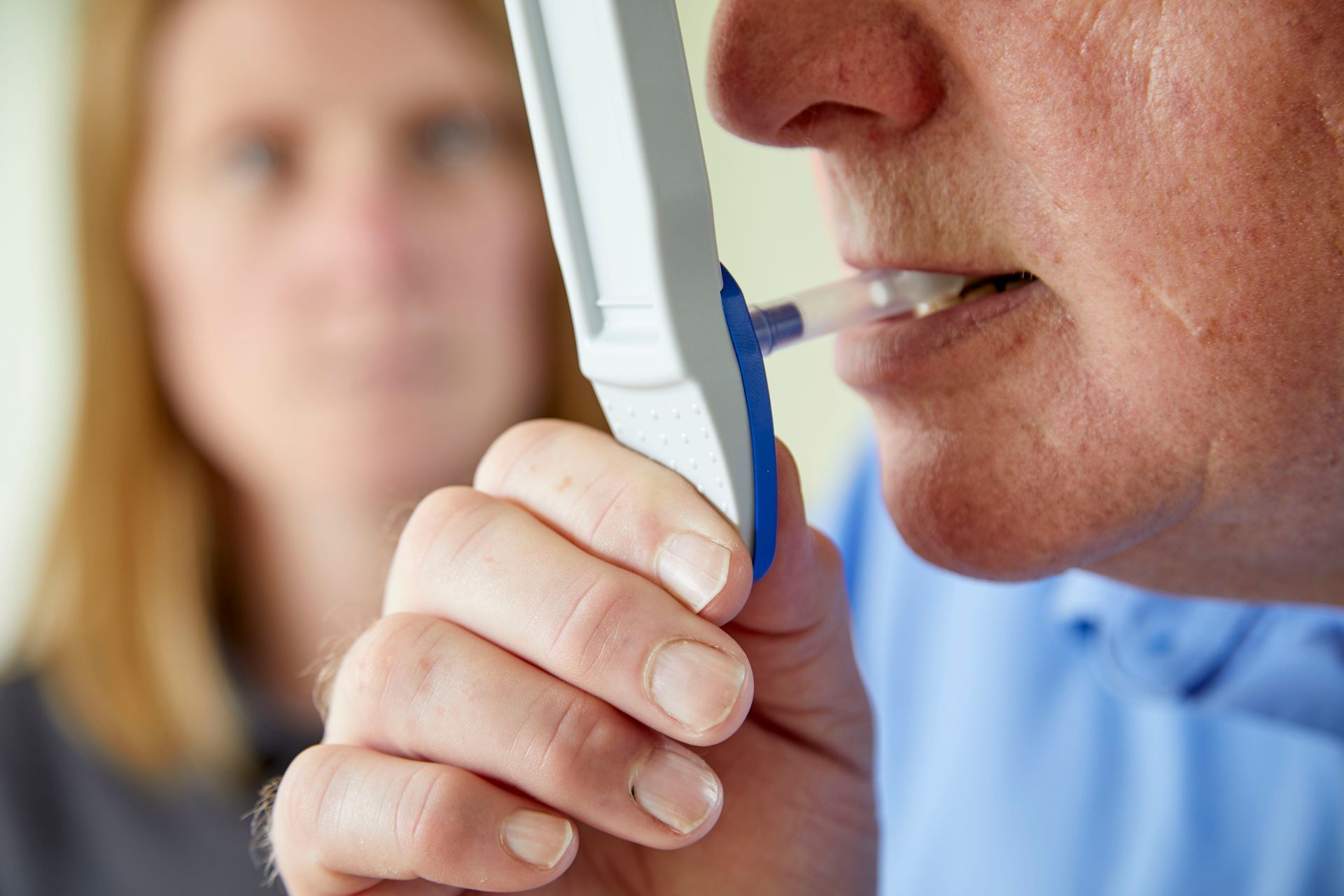
Testing is part of it. Just part of it.
Random drug and alcohol testing has a role to play. Done properly - with the right equipment, the right process, and the right documentation - it protects both the employee and the employer. It removes bias. It produces results that are legally defensible if they ever need to be.
But testing on its own isn't enough.
The companies that see real change are the ones that build something around it. That means making sure managers know how to have a conversation if they're concerned about someone. It means being clear with the workforce about why testing happens - not as a surveillance exercise, but as a genuine commitment to everyone's safety. It means having a supportive environment where someone struggling feels like they can say so, rather than hide it.
In the right workplace culture, testing can be the thing that opens a door that might otherwise stay shut. That's not nothing.
The question worth asking this week
Alcohol Awareness Week is a prompt for individuals to reflect. But it's also, if you're willing to use it that way, a prompt for employers.
Do you have a policy that's actually backed by a process?
Do your managers know what to do if they're worried about someone?
Does your workforce know that testing isn't about catching people out - that it's there for their safety as much as anyone else's?
And if something happened tomorrow - an accident, an incident, a near-miss - would your approach hold up?
If the honest answer to any of those is not really, that's worth knowing. Not because you're in the wrong, but because it's fixable. Most of the time, the gaps are smaller than people think.
We help companies put drug and alcohol programmes in place that actually work - the testing, the policy, the manager training, and the culture around it. If you'd like to talk through where you are and what might be missing, get in touch.