

The email lands in Joanne's inbox with the subject line: "Formal Grievance - Random Testing Process."
Her heart sinks as she opens it. Dave from the warehouse is claiming discrimination. He's been selected three times in eight months while his mate Colin hasn't been picked once. The union rep is copying in senior management. Legal wants a meeting.
This wasn't supposed to happen. The random testing programme had board approval, legal sign-off, and a reputable testing provider. Joanne had followed the implementation guide to the letter. Yet here she was, six months later, dealing with grievances and suspicious employees who were convinced the system was rigged.
The worst part? Dave might actually have a point about the frequency, even though the selection genuinely was random.
Joanne's not alone in facing this challenge. Random drug testing and alcohol testing programmes create unique workplace dynamics that catch even experienced HR professionals off guard. The technical side, policies, procedures, testing methods, that's the easy part. The human side is where programmes succeed or fail.
Here's what Joanne learned about making random testing actually work in practice.
Start with Crystal-Clear Communication
Joanne's first mistake was underestimating how much explanation the programme needed upfront.
What works: Announce the programme at least 30 days before it begins. Use multiple channels; team meetings, email, notice boards. Explain exactly why you're implementing it and how it benefits everyone's safety.
Script example: "Starting next month, we're introducing workplace drug testing programs. This isn't about catching people out. it's about maintaining the safe working environment we all deserve. Here's exactly how it will work..."
What doesn't work: A brief mention in a policy update email or assuming everyone reads the employee handbook.
Make Your Selection Process Bulletproof
This is where Joanne's programme started unravelling. Employees must trust that selection is genuinely random, not targeted.
Essential requirements:
- Use appropriate random selection software
- Document every selection
- Include ALL employees in the pool, regardless of position
- Never exclude someone because it's "inconvenient"
Pro tip: Some HR teams share the selection process during team meetings, showing employees exactly how names are chosen. Transparency builds trust.
Get Your Timing Right
Random doesn't mean chaotic, but it also can't be predictable. The key is having clear procedures without telegraphing when tests will happen.
Better approach:
- Conduct tests at varying times and days throughout the month
- Ensure you can test during all shifts (not just 9-5)
- Have backup dates if initial selections can't be completed
- Never announce testing schedules in advance
Why unpredictability matters:
If employees know testing always happens on "second Tuesday," some might avoid work that day or modify their behaviour only around predicted test dates. True randomness means they can never predict when testing might occur.
What you should make predictable:
- The selection process itself (how names are chosen)
- Who to contact when selected
- Where testing takes place
- What happens if someone's unavailable
Pro tip: Some successful programmes test quarterly rather than monthly, varying the timing completely. Others maintain a minimum gap between tests (e.g., no employee tested twice within 60 days) while keeping the actual timing unpredictable.
The goal is employees knowing that random testing happens regularly, but never knowing when their name might come up.
Train Your Management Team First
Middle managers often torpedo random testing programmes without meaning to. They make comments like "bad luck, Dave" or "I hope you're clean today". Innocent remarks that destroy the programme's credibility.
Essential management briefing points:
- Never comment on who gets selected
- Treat all testing as routine business
- Don't apologise for implementing the programme
- Know exactly what to do if someone refuses testing
Script for managers:
"The random selection has chosen you for drug and alcohol testing this month. Please report to Joanne in HR by 10:30 AM. Do you have any questions about the process?"
That's it. No jokes. No commentary. No personal opinions.
Handle Refusals Professionally
Someone will eventually refuse testing. Count on it. Your response in that first refusal sets the precedent for your entire programme.
Best practice protocol:
- Remain calm and professional
- Remind them of the policy they signed
- Explain the consequences clearly
- Document everything immediately
- Follow through consistently
Never: Argue, negotiate, or make exceptions. Your policy must be applied uniformly, or it becomes worthless.
Address the "Always Me" Problem
This is exactly what Joanne faced with Dave's grievance. Some employees genuinely do get selected multiple times. Pure statistics mean this will happen.
Solution: Keep detailed records and be prepared to explain. True randomness doesn't mean equal distribution. Sometimes the same person gets selected back-to-back. That's actually proof the system is working correctly.
Communication strategy: "I understand it feels unfair to be selected again. Let me show you exactly how our random selection works and why this can happen..."
Choose Your Testing Partner Wisely
Not all testing providers understand workplace dynamics. Some turn up with clipboards and stern faces, treating employees like criminals. This destroys programme acceptance immediately.
Look for providers who:
- Use discrete, professional approaches
- Understand confidentiality requirements
- Can explain procedures clearly to employees
- Have experience with workplace programmes (not just clinical testing)
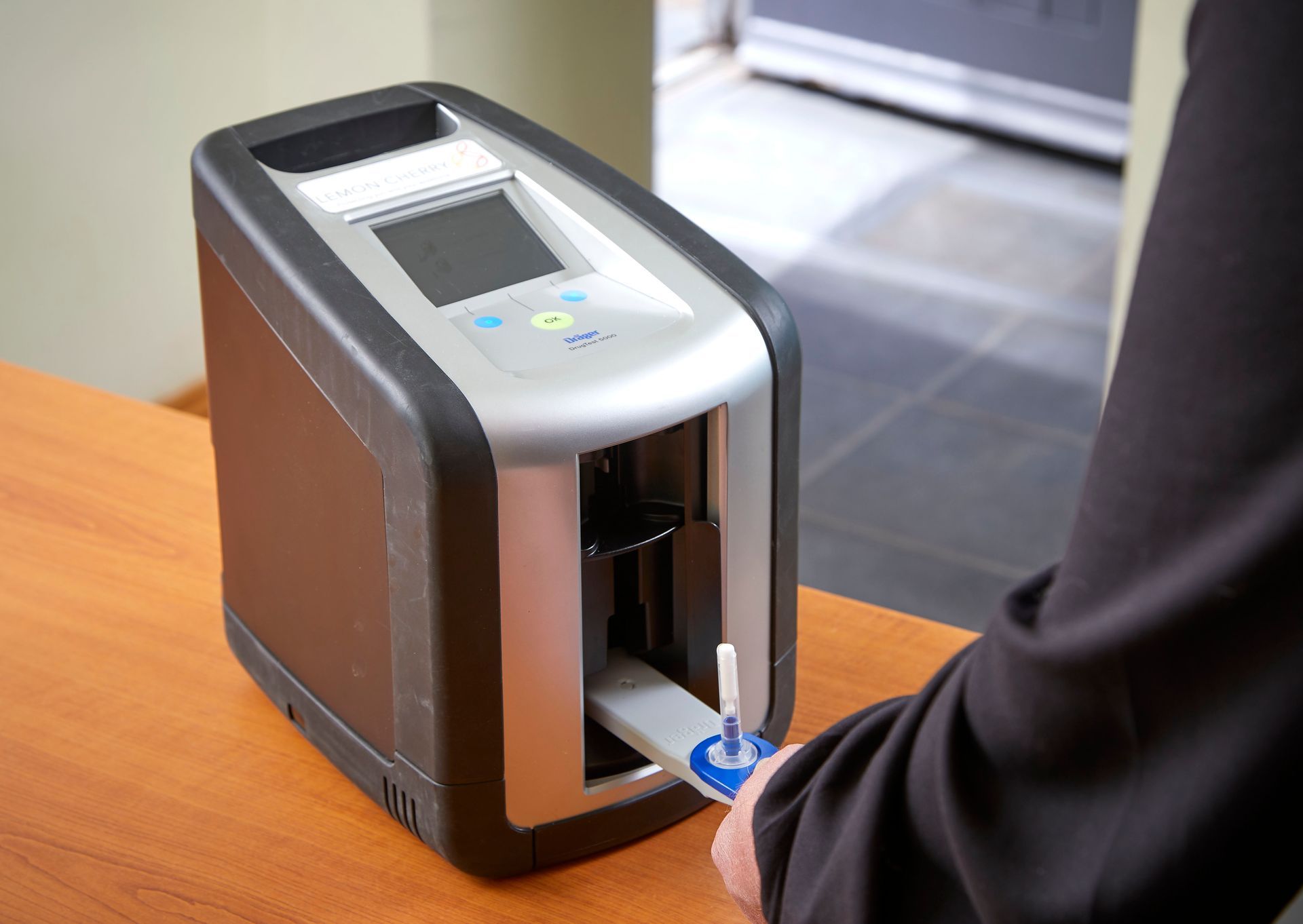
- Use Home Office approved equipment for credibility
Red flag: Any provider who suggests they can "target" specific employees or work around your policy requirements.
Monitor and Adjust
Joanne's programme improved dramatically once she started tracking more than just test results.
Key metrics to watch:
- Employee complaints or grievances related to testing
- Time taken from selection to test completion
- Compliance rates (who shows up versus who doesn't)
- Management team confidence in handling selections
Monthly review questions:
- Are we maintaining true randomness in selections?
- Do employees understand why we're doing this?
- Are managers handling selections professionally?
- Is the testing process disrupting operations unnecessarily?
Build Long-Term Success
Random testing isn't a set-and-forget programme. It requires ongoing attention and occasional adjustments.
Sustainability factors:
- Regular policy reviews (annually minimum)
- Continued management training
- Clear communication when procedures change
- Consistent application across all employee levels
- Regular evaluation of programme effectiveness
The Results That Matter
Joanne never did have to face that grievance meeting. Once she implemented these changes and could clearly explain the selection process to Dave, he withdrew his complaint. The programme now runs smoothly, with employees understanding the process and managers handling selections professionally.
More importantly, the programme achieves its real purpose, maintaining a safer workplace through effective deterrence.
Key success indicators:
- Reduced workplace incidents
- Consistent participation rates
- Fewer complaints and grievances
- Improved safety culture overall
- Compliance with legal requirements
Random testing works when it's implemented thoughtfully, communicated clearly, and managed consistently. It fails when organisations treat it as a box-ticking exercise rather than a genuine safety initiative.
The difference lies in the details and in understanding that successful random testing is as much about human psychology as it is about detecting substance misuse.
Ready to implement random testing properly? The key is getting expert guidance from the start, not trying to fix problems after they develop.
Lemon Cherry provides comprehensive drug and alcohol testing services with strict confidentiality protocols. Our team understands workplace dynamics and helps organisations implement successful testing programmes from day one.
Contact us for a conversation on making random testing work effectively in your organisation.